Demand Generation Strategy

Demand generation goes wrong when it starts with channels instead of with a plan. A budget gets split across paid search, content and events because that is what was done last year, and no one can say what number it is meant to move. Demand Generation Strategy fixes the order of operations. We design the funnel, set the targets, choose the channel mix and decide what good looks like, all before a campaign goes live. This is the advisory layer that makes the activation worth doing.

We have built these plans for businesses with long, considered sales cycles. The strategy work for HMS Networks sat underneath 391% search market share growth and 3,000 sales opportunities in 90 days, because the funnel and the targets were agreed first. When you are ready to execute, this plan hands cleanly to our Demand Generation delivery work, and everything it points towards is built so you own it.

What you get:

  • A funnel designed around your real buying stages, not a generic template
  • Pipeline and pipeline-coverage targets the board has agreed
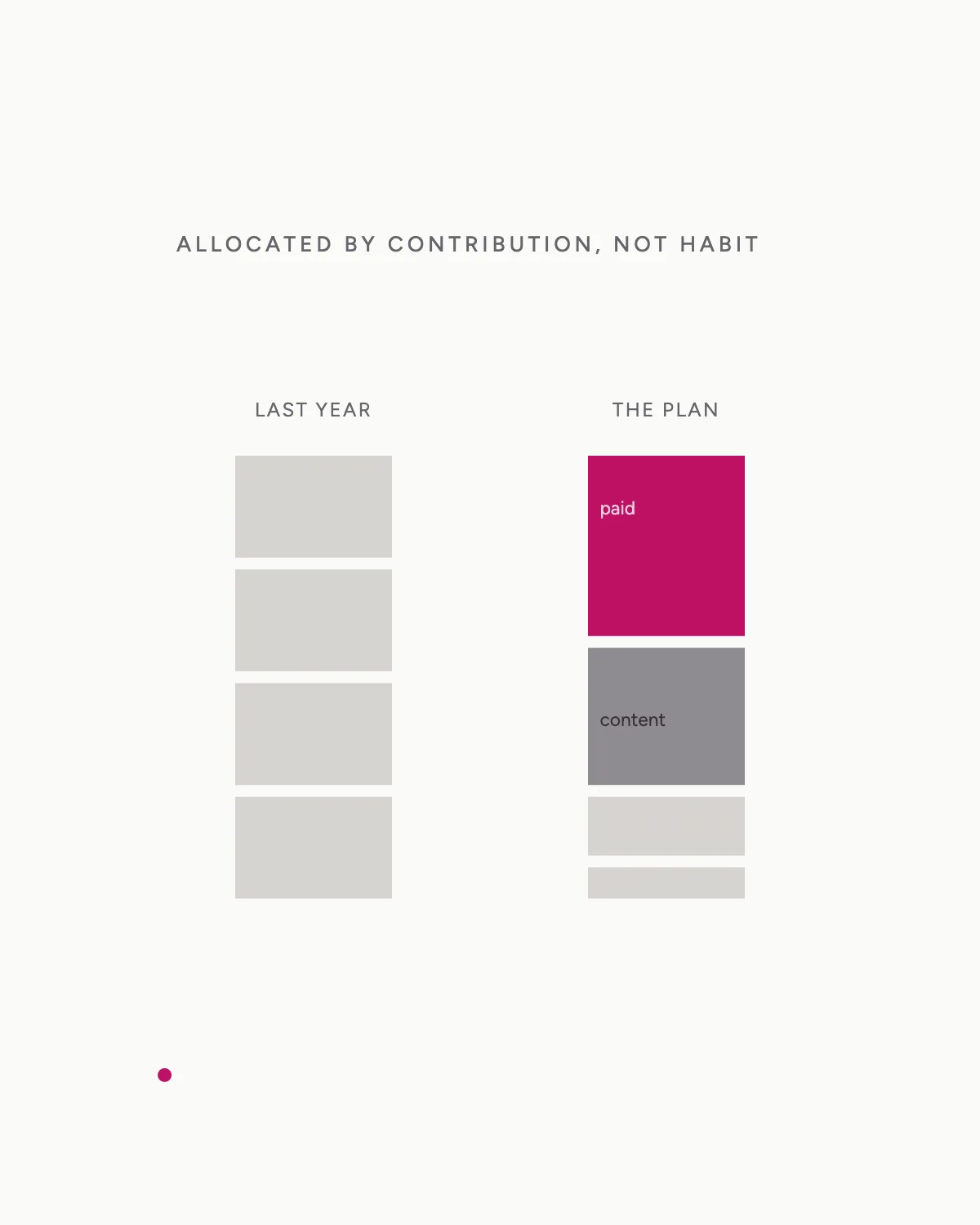
  • A channel mix with budget allocated by expected contribution
  • Lead definitions and scoring criteria everyone agrees on before launch
  • A measurement plan that reports against pipeline, not clicks

Design the funnel before you fund the channels

The expensive mistake in demand generation is spending into a funnel that leaks. You fill the top, lose people at a stage nobody is watching, and conclude the channel does not work. We map the funnel first, find the leaks on paper, and set targets for each stage. Only then do we allocate budget. The plan that comes out is one a CFO can fund because every pound is tied to a stage and a number.

Targets the board will recognise

We do not set goals in vanity metrics. We work back from the revenue the business needs, through win rates and deal sizes, to the pipeline and the demand that has to be created to hit it. The targets in the plan are the ones leadership already cares about, expressed in language they use.

What we do

We run the planning that precedes activation: funnel design, target setting, channel selection and budget allocation, lead and scoring definitions, and the measurement framework. We then hand the plan to delivery so the campaigns run against an agreed blueprint rather than a guess.

Where this sits in the picture

This is the strategy spoke for demand. It draws direction from the B2B Marketing Strategy hub and feeds the Demand Generation delivery pillar. It also leans on Customer Insight and Journey Strategy for the audience definition that good targeting depends on.

For the Marketing Director

You get a demand plan you can defend, with targets traced back to revenue and a channel mix you chose deliberately. When the quarter is short, you know which lever to pull because the plan already modelled it.

For the CMO

You get a clear line from marketing investment to pipeline contribution. The plan tells the wider business what demand generation is committing to and how it will be measured, which is the conversation that earns marketing its budget.

For the CFO

You get budget allocated by expected contribution, not by habit. Each channel carries a target and a cost, so the spend is traceable and the forecast is something you can put in a model rather than take on trust.

For the considered-purchase business

You get a funnel that respects a sales cycle measured in months and a buying group of several people. We plan for the long, multi-touch reality of B2B demand rather than a quick-conversion mindset that does not fit your market.

Talk to us about your demand plan

If you are about to set next year's demand budget, a short planning conversation is the cheapest way to pressure-test it before it is committed.

Brief Us
Brief Us

Why Teylu rather than a generic agency

A generalist agency will happily spend your demand budget and report the clicks. We plan the funnel and set the pipeline targets first, so the activation is measured against the outcome that matters rather than the activity that is easy to count.

Why Teylu rather than an enterprise platform

A platform gives you a demand engine you rent and still have to plan for yourself. We provide the plan, then point the build towards tools and data you own. You get the thinking and keep the infrastructure rather than leasing both.

You own the demand engine we plan

The funnel logic, the scoring rules, the audience data and the reporting all belong to you. The strategy is written so the demand capability you build is infrastructure you keep and operate, not a rented engine that stops the day you stop paying. Own your data, own the system.

For industrial and manufacturing

Long cycles and technical buyers mean demand has to be nurtured, not closed on first touch. We plan the multi-stage path that suits manufacturers and industrial suppliers, where credibility is earned over months and procurement joins late.

For electronics and distribution

In electronics and distribution, demand spreads across a wide product range and a layered buying group. The plan sets segmentation and channel priority so spend is not wasted broadcasting one message to a market that buys in very different ways.

From plan to activation

Once the funnel and targets are signed off, execution moves to the Demand Generation delivery pillar, with Content to Conversion and Lead Generation doing the work the plan sets out.

Where the data connects

A demand plan is only as honest as the data behind it. This work links to Attribution Intelligence and Marketing Dashboards so the targets you set can actually be measured once campaigns run.

Timeline you can plan around

A demand strategy engagement runs three to five weeks from kickoff to a signed plan. Quick enough to shape the next quarter's spend, thorough enough that the budget is allocated on evidence rather than instinct.

Fix the leak before adding spend

The instinct when demand is short is to spend more at the top. Usually the problem is a stage in the middle that no one is measuring. We find that stage in the planning, so the next budget fixes the leak rather than feeding it.

Proof the approach works

The pattern repeats across our work. With HMS Networks in industrial connectivity, and in technology distribution with Arrow ECS, agreeing the funnel and targets before spending made the same budget produce far more pipeline.

A model, not a guess

The plan includes a simple demand model: how much you need to create at each stage to hit the revenue target. It turns demand generation from an act of faith into something you can forecast and adjust as real numbers arrive.

Channel mix chosen on merit

Paid, content, events and outbound each earn their place in the plan or they do not make it in. We allocate by expected contribution to pipeline, so the mix reflects what works for your market rather than what is fashionable.

Aligned with sales from the start

Demand that sales will not work is wasted demand. We agree lead definitions and handover rules with sales during planning, so the pipeline the strategy creates is pipeline sales will actually accept and pursue.

Where to begin

If your demand spend feels busy but the pipeline does not follow, start here. The plan will show where the budget is leaking and what to change before the next campaign goes live.

Book a strategy session

HMS Networks shows the payoff of getting the demand plan right first: 391% search market share growth and 3,000 sales opportunities in 90 days.

Brief Us
Brief Us

This engagement suits B2B businesses that are spending on demand but cannot reliably connect that spend to pipeline. It fits four situations in particular.

Teams setting next year's demand budget who want it allocated on evidence rather than carried over from last year.

Marketers whose funnel leaks somewhere they cannot see, where more spend at the top is not producing more pipeline.

Industrial, electronics, manufacturing and distribution firms with long cycles and layered buying groups that a generic funnel does not fit.

Marketing and sales leaders out of alignment on what a qualified lead is and who owns the handover.

Step 1

Week 1

Funnel and target discovery. We map your current buying stages, gather the conversion and deal data, and agree the revenue the plan has to serve.

Outcome

A clear picture of the current funnel, its leak points and the revenue target demand generation is being asked to support.

Step 2

Weeks 2 to 3

Funnel design and demand modelling. We design the target funnel, build the demand model and set stage-by-stage targets.

Outcome

A designed funnel and a demand model that says exactly how much to create at each stage to hit the number.

Step 3

Weeks 3 to 4

Channel and budget allocation. We choose the channel mix, allocate budget by expected contribution and agree lead and scoring definitions with sales.

Outcome

A costed channel plan and agreed lead definitions, signed off by both marketing and sales.

Step 4

Week 5

Measurement and handover. We build the reporting framework and brief the delivery team that will run the campaigns.

Outcome

A measurement framework tied to pipeline and a clean handover to Demand Generation delivery.

Book a strategy session

Bring your current demand spend and your pipeline numbers. We will show you, in one session, where the two are not adding up.

Brief Us
Brief Us

We work in stages. Stage one is a focused diagnostic of the current funnel and a designed plan with targets and budget. Stage two, if you want it, keeps us alongside the team as the campaigns run so the plan adapts to real numbers. Pricing is built line by line against scope, with no opaque contingency, so finance sees what each stage buys. The demand engine the plan points to is built on systems and data you own, never a rented platform you cannot leave. Enterprise grade thinking without the enterprise overhead.

Proof over promises

We would rather show the result than describe the method. For HMS Networks a demand plan agreed before the spend supported 391% search market share growth and 3,000 sales opportunities in 90 days.

Talk to the team

You will talk to the people who would design your funnel, not an account manager reading from a deck. The first conversation is about your pipeline, not our process.

Start a conversation

Tell us where the demand spend is going and where the pipeline is falling short. We will tell you honestly whether a strategy engagement is the right fix.

Brief Us
Brief Us

Demand Generation Strategy, common questions

How is this different from just running demand campaigns?

This is the plan, not the activation. We design the funnel, set the pipeline targets and allocate the budget before any campaign goes live. The running of those campaigns sits with our Demand Generation delivery pillar, which works against the plan this engagement produces.

We are already spending on demand. Where does this help?

Spending is rarely the problem. Spending into a funnel that leaks somewhere no one is watching is the problem. This work maps the funnel, finds the leak on paper and reallocates the budget by expected contribution, so the next quarter's spend produces more pipeline from the same money.

Do we own the demand engine, or does it depend on you?

You own it. The funnel logic, scoring rules, audience data and reporting are yours, and the plan deliberately points the build towards systems you own and operate rather than a rented platform. The cost goes into infrastructure you keep, not a licence that resets every renewal, which is what makes the spend defensible to finance.

How quickly can we have a plan in hand?

Three to five weeks from kickoff to a signed plan. That is fast enough to shape the next quarter's budget and thorough enough that the allocation rests on your conversion data rather than guesswork.

How do you make sure sales actually works the demand we create?

We agree lead definitions and handover rules with sales during the planning, not after. If marketing and sales disagree on what a qualified lead is, the plan surfaces it early and resolves it, so the pipeline the strategy creates is pipeline sales will accept.

Book a strategy session

Bring your spend and your pipeline figures. One session is usually enough to show where they are not adding up.

Brief Us
Brief Us

Reach out and let’s do something remarkable together.

Contact Us
Contact Us